Based in Kyoto, also in Osaka (Sekime, Nagai Park, Suita), Kobe (Tarumi), and Nara.
Upcoming dates are listed on the events page.
If numbers are small we review 7 days ahead and confirm 3 days ahead.
Presented by Kyoto Future Music Institute
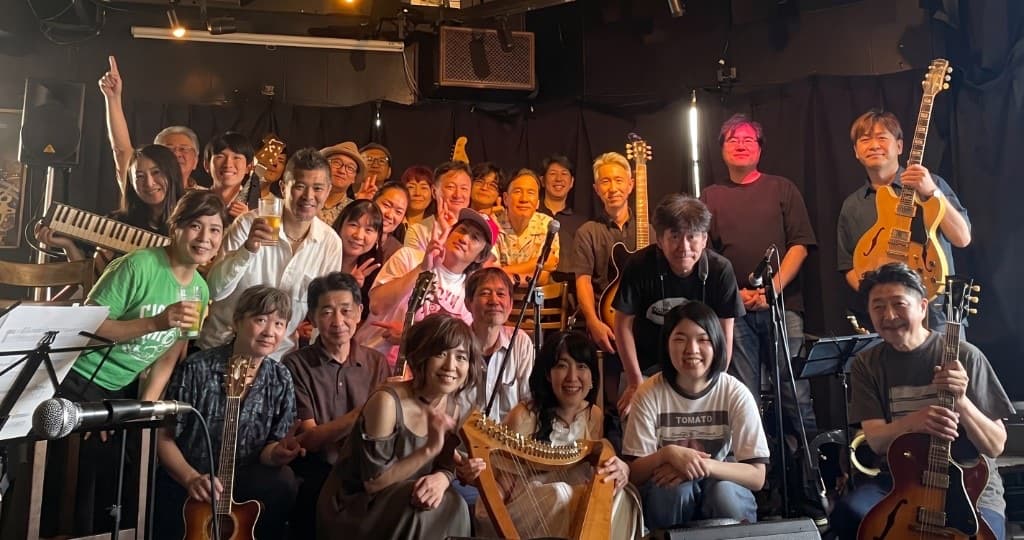
A professional classical player
“Without a score, I don’t know what to play.”
Someone from wind band
“I can play what’s written. But if you say ‘play freely’…”
A hard-rock or blues player who only reads tablature
“Jazz needs heavy theory, right?”
Someone who owns about five ‘easy jazz’ books
“I studied. I still can’t improvise.”
Someone taking jazz lessons
“I can do what I’m told. But is this really it?”
For people like that,
this is Adlib Tasting Session.
Based in Kyoto, also in Osaka (Sekime, Nagai Park, Suita), Kobe (Tarumi), and Nara.
Upcoming dates are listed on the events page.
If numbers are small we review 7 days ahead and confirm 3 days ahead.
Improvisation isn’t scary
It’s fun from the very start
“Adlib Tasting Session”
From beginners to classical players
A hands-on musical adventure
Adlib Tasting Session
Theory books feel overwhelming.
I read, but nothing clicks.
Where do I even start?
Maybe I’m just not capable.
Will I give up on music entirely?
I don’t want age to be the reason I stop.
I want companions on this path.
I want to enjoy playing together.
I want a place where musical conversation makes sense.
We built this for you.
Adlib Tasting Session
First, a leader introduces
a simple “music game.”
The rules are easy.
After a brief explanation,
we play together right away.
No need to overthink.
If sound comes out in the moment,
that is already improvisation.
Voices, quoted with permission
These are short introductions. Full original Japanese, with no one dropped, is on the voices page.
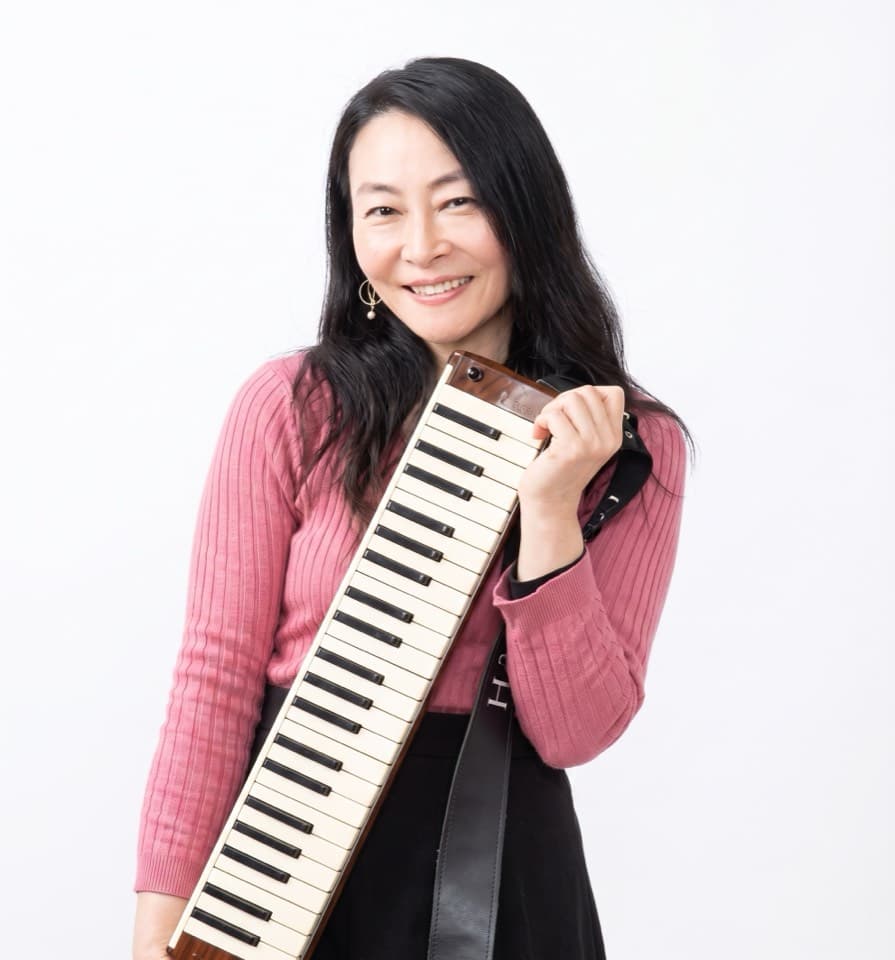
Piano
I thought improvisation was only for special people. Two years ago I opened the door with fear and a little hope. On that first day I tasted the “A” of ad-lib, high-fived another first-timer, and stopped minding that I play imperfectly.
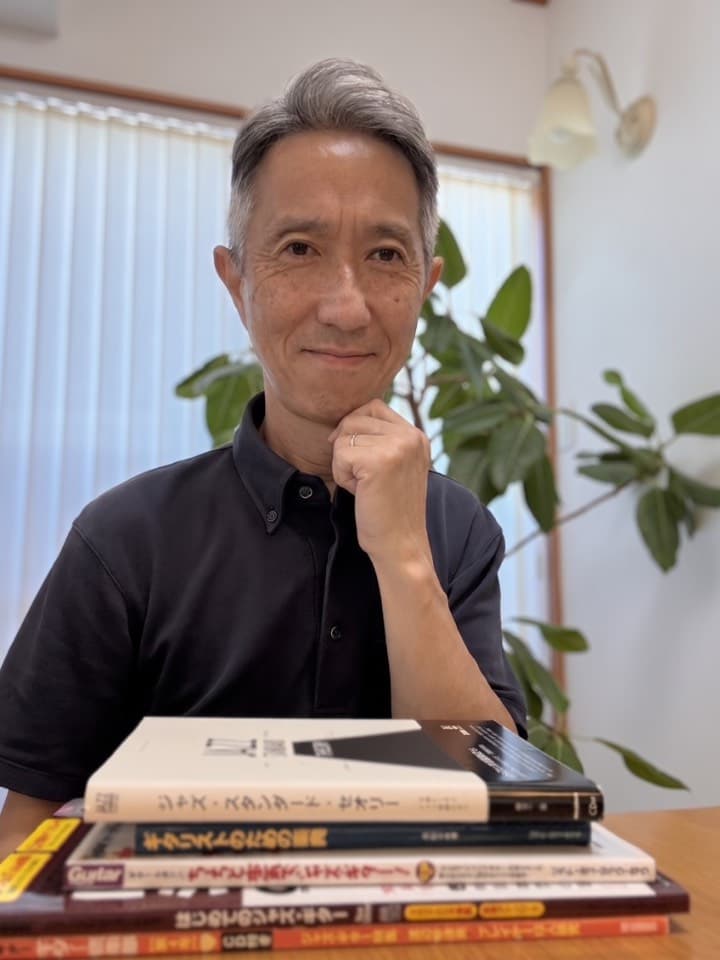
Guitar
I dreamed of improvising freely, then gave up because I never knew what or where to play. Joining the session, even a simple phrase felt like “I’m playing notes that belong.” A new world opened.
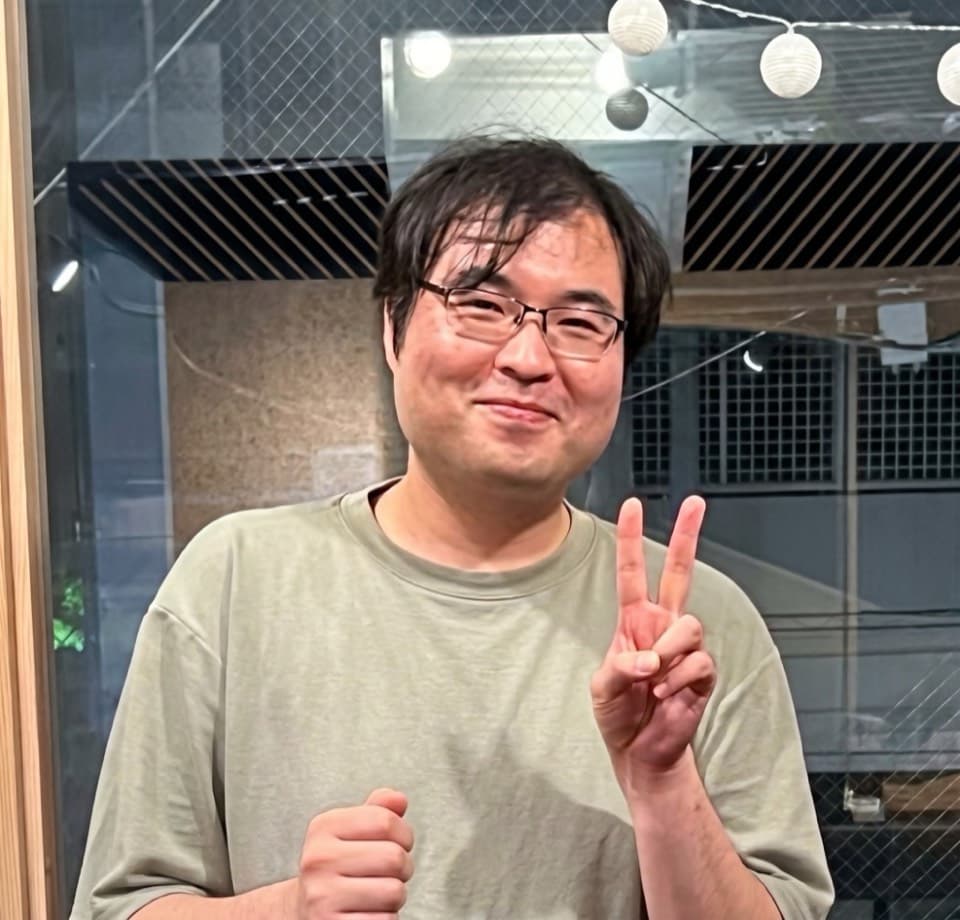
Guitar
Before joining, I didn’t know where to start. Even when we each play just two notes, personality and a story come through. Fewer notes, and the space between them, matter as much as playing a lot.
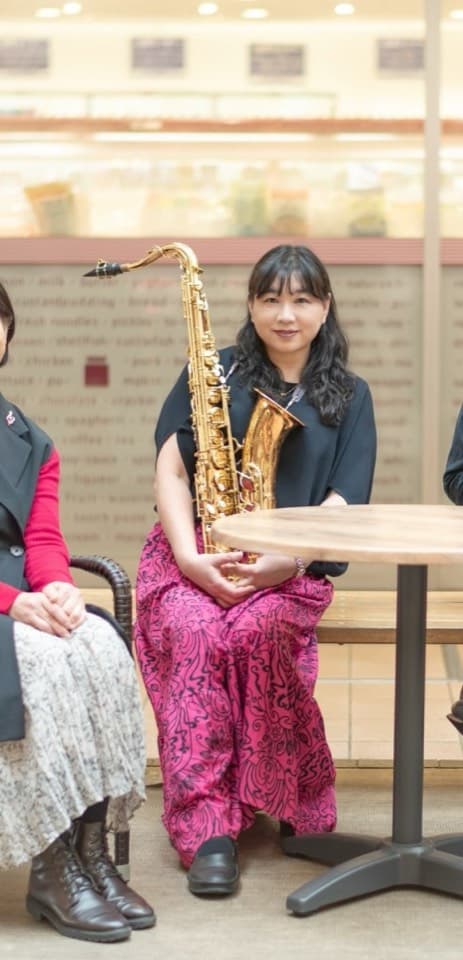
Tenor saxophone
I had given up, thinking it was too late. Here no one scolds a mistake. We play like a game under the same limits. Beginners and experienced players share the room and become companions.
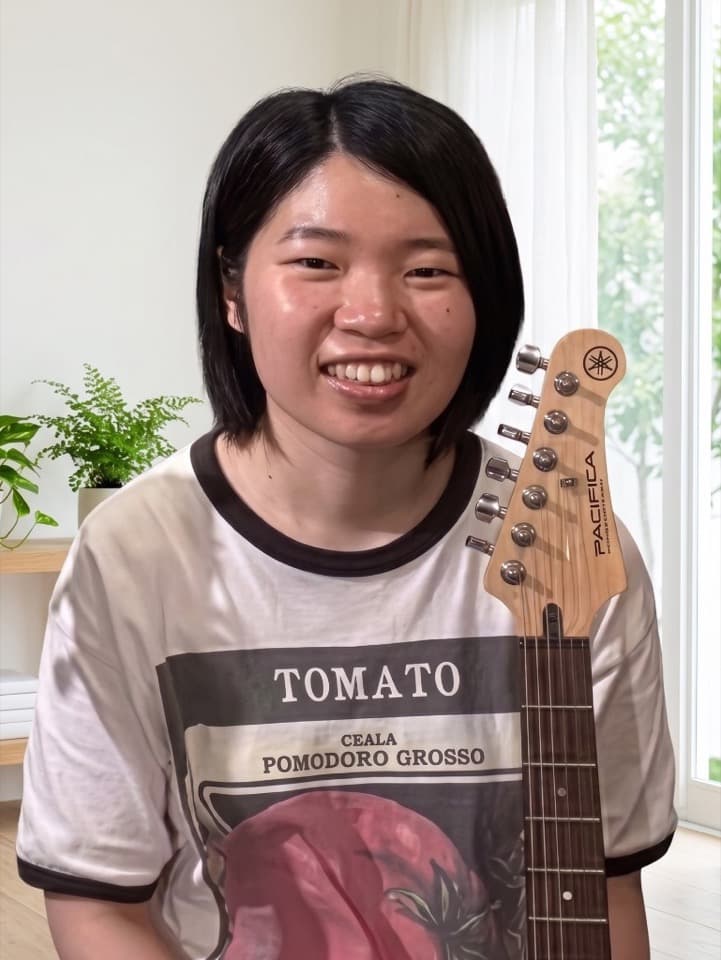
Guitar
At first I only thought about playing cool jazz phrases. Then I saw what matters is a sound that persuades as music. Not only guitarists come—every session brings a new discovery, and it’s fun.
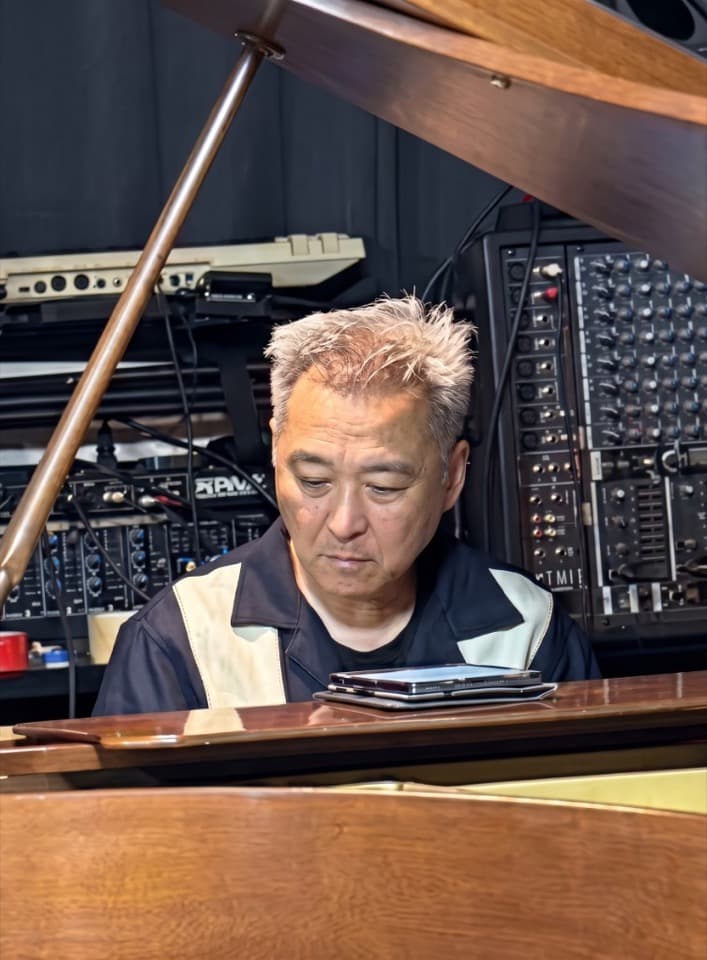
Piano
I joined half-skeptical, hoping it wasn’t a cult. The two notes they assigned were the skeleton of the sound I wanted. I still remember the shock of trusting the instruction: play these two notes, and it becomes jazz.
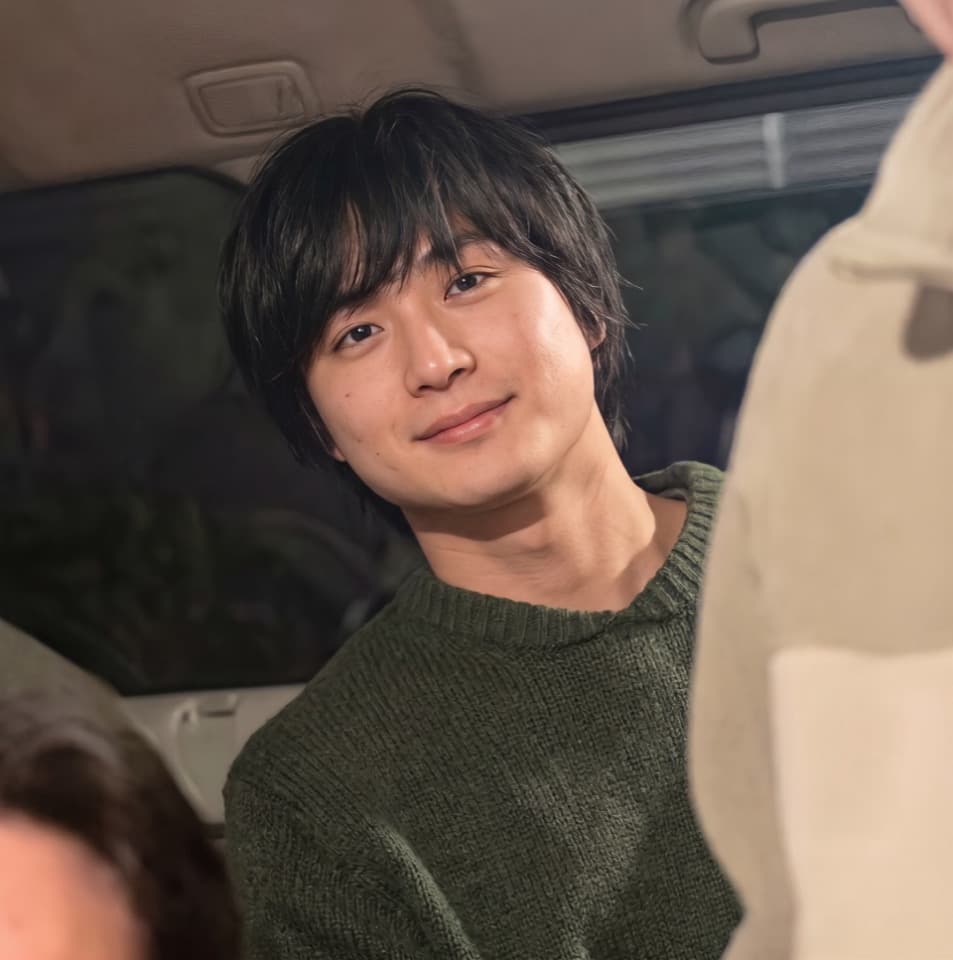
Guitar
In short, the session is packed with the fun of live music. It’s enjoyable, and joining once a month is enough to feel yourself grow.
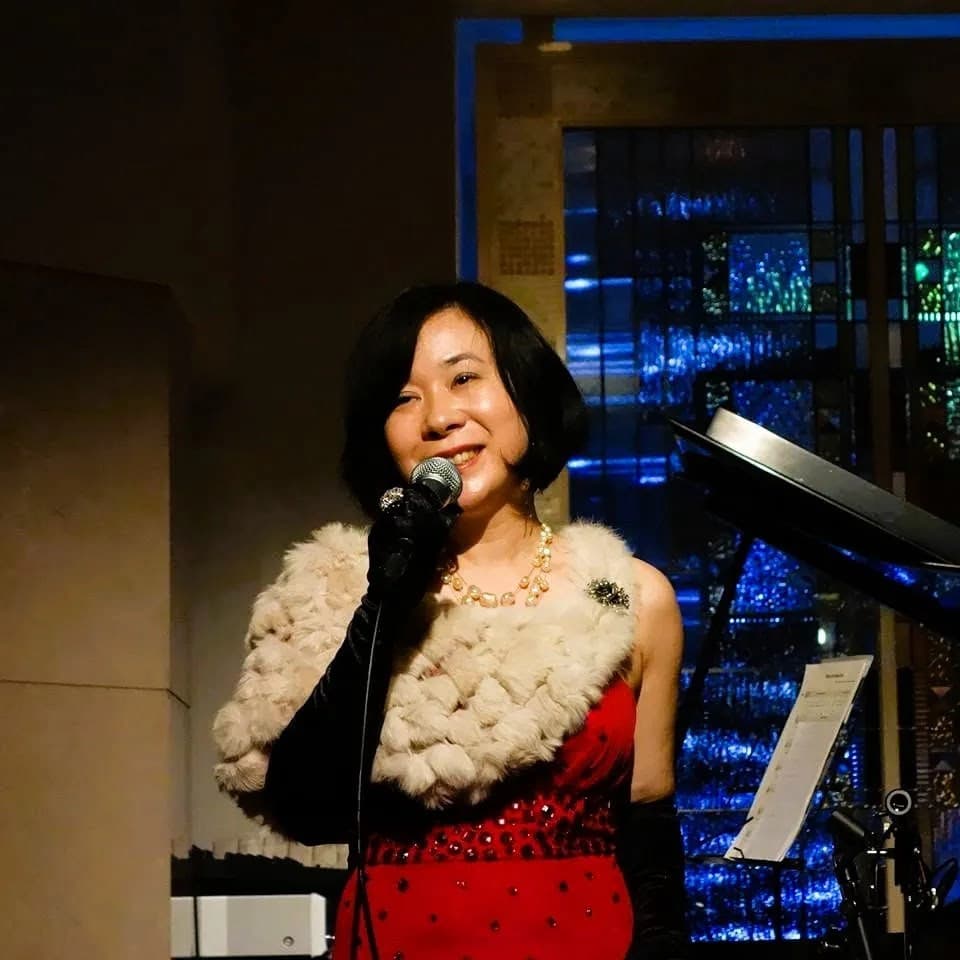
Piano / vocal
Right away the nerves became “I can do this—this is fun—what’s next?” Stripping the notes down wasn’t about playing well. A new door opened.
Piano
The biggest surprise was ad-lib with almost no notes—and it still sounded emotional. It was this easy to play a cool ad-lib.
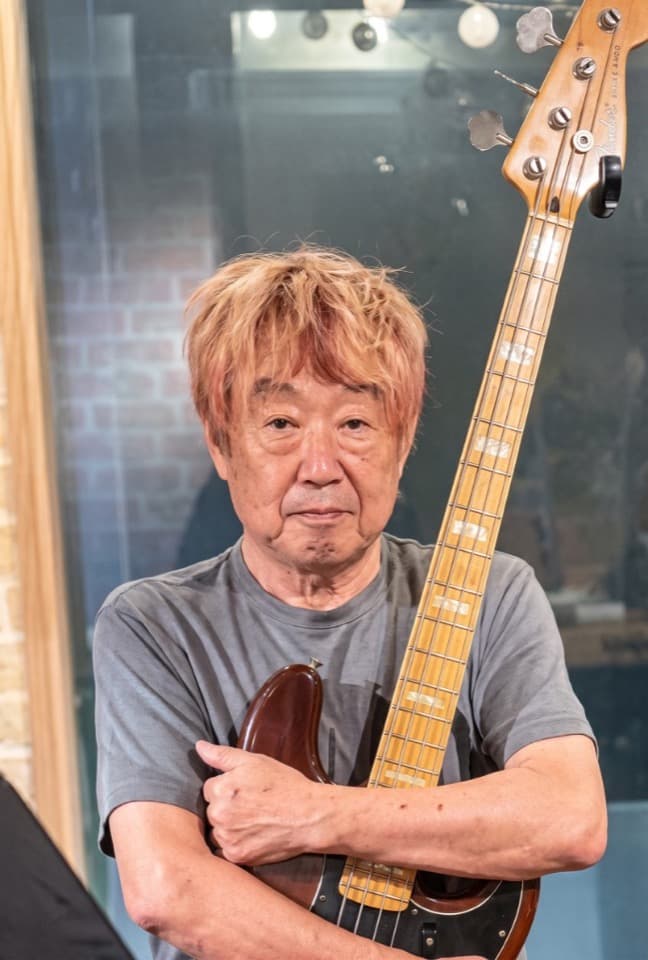
Bass
The note rows Okamoto-san chooses are wonderful, and easy to enter, so from the start it was fun (or desperate—ha). Once the notes are set, go for rhythm and sound cool. This rock guy got in the mood.
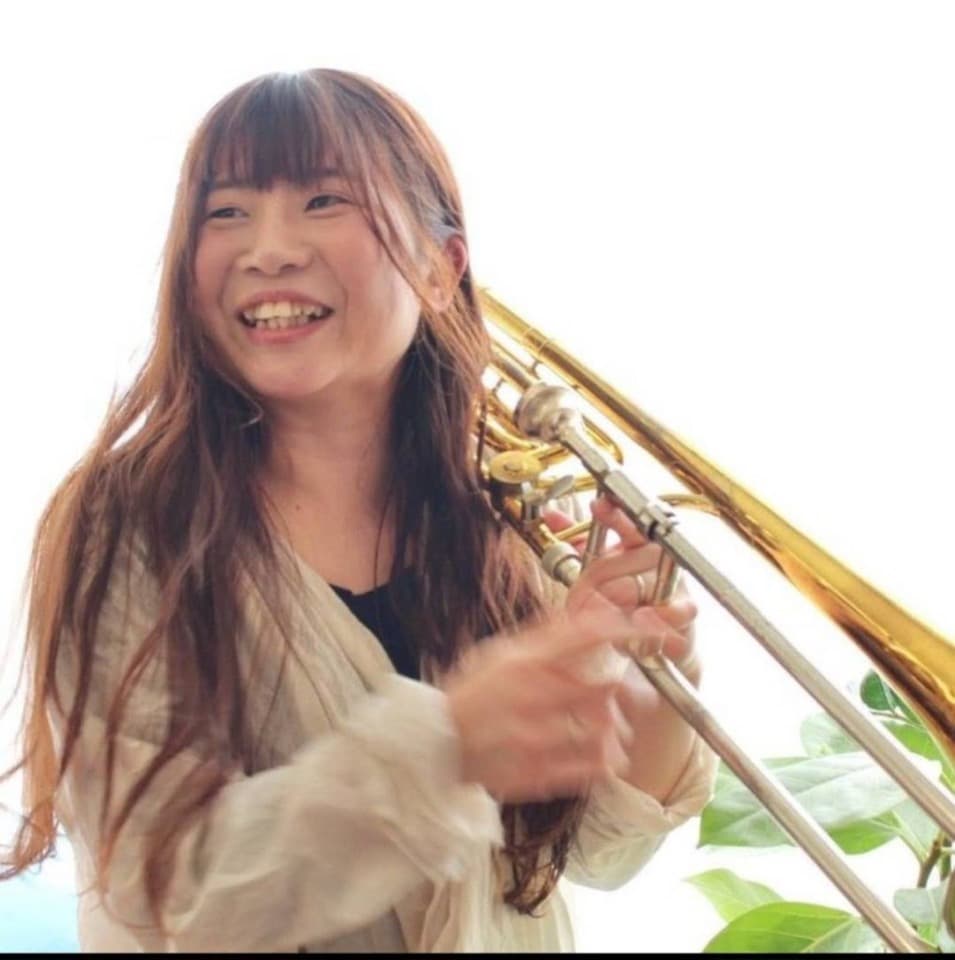
Trombone
When it was time to play, we started with two notes. Later it became four. Even with four, Okamoto-san’s demo was vividly jazz. It was wonderful.
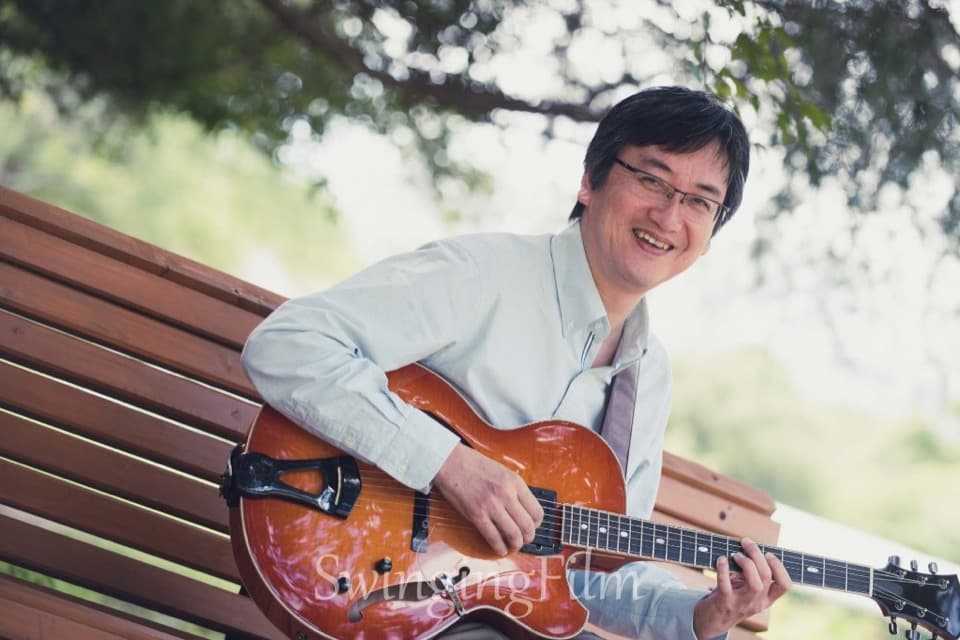
Guitar
The tasting session is the same. Learn jazz the way a baby learns to speak. It starts with two notes. Have the courage to open the door.
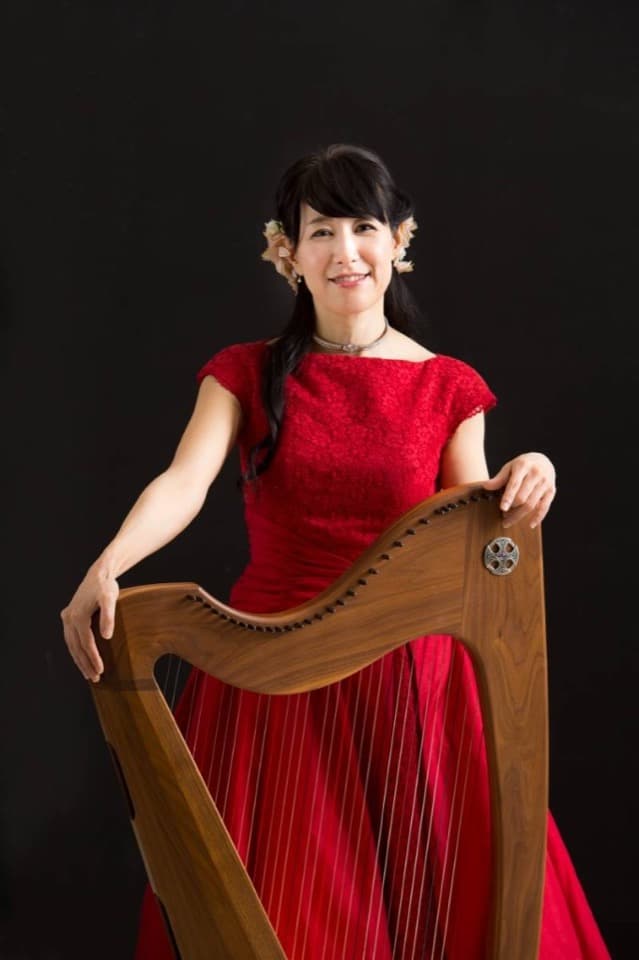
Harp
Every session I am nervous: what will happen today? When it ends I think—playing music is this much fun.
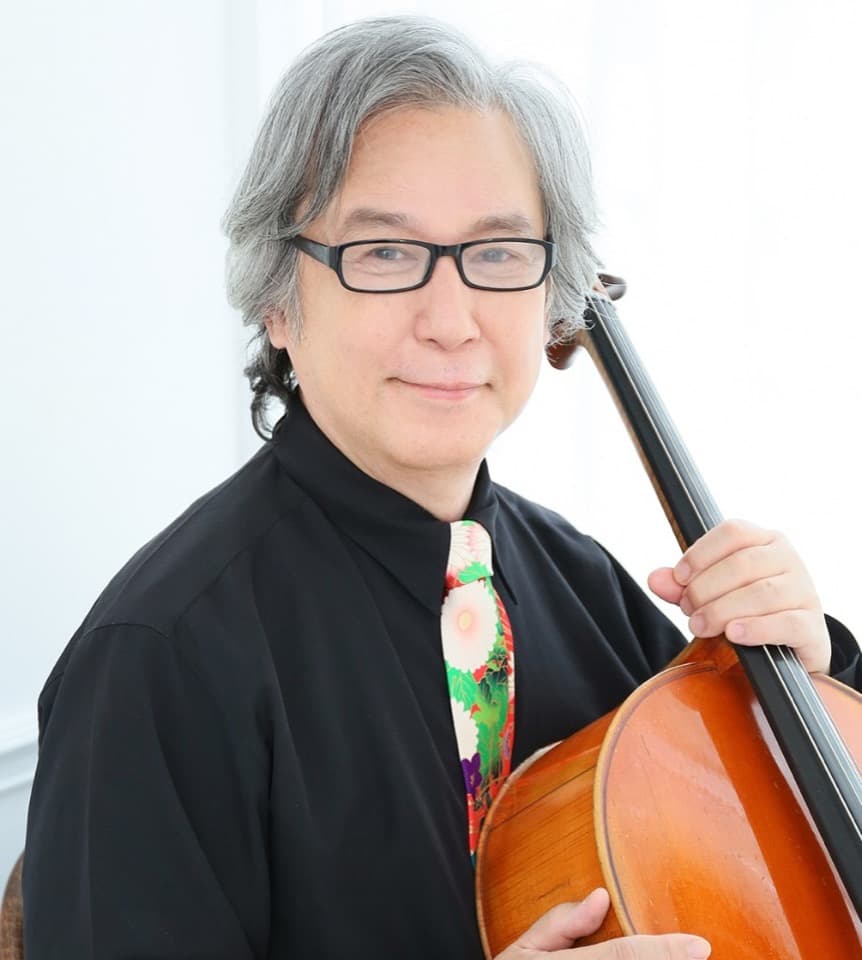
Cello
At the tasting session you can ad-lib with two notes. I thought, really? It was true. A new discovery. Not unlimited—you start by making a constraint.
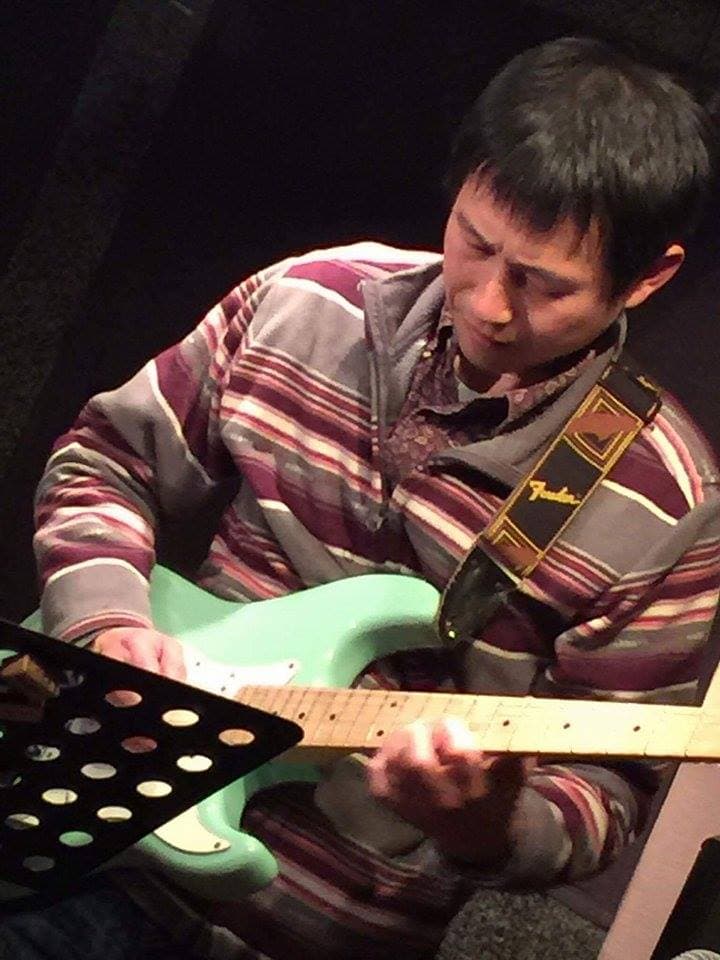
Guitar
Start by enjoying ad-lib as a “game.” Come lightly, and try it.
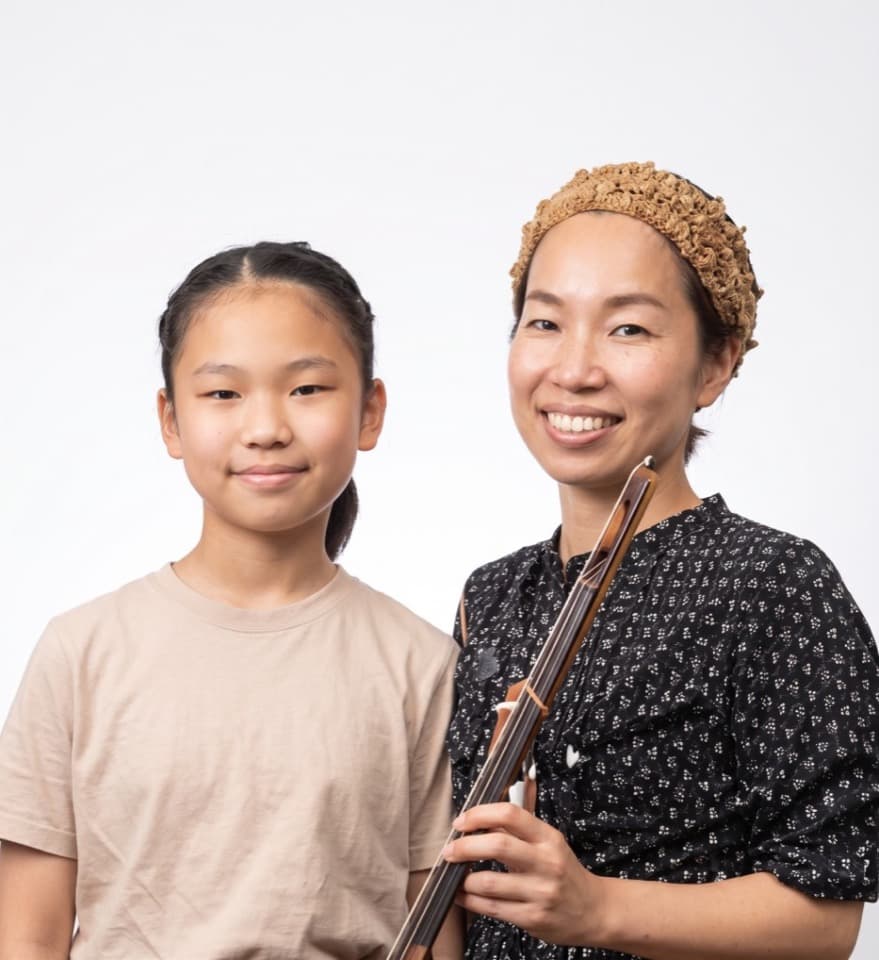
Violin
The tasting session is a strange time when you feel: something changes, even if you don’t know why. Music is fun.
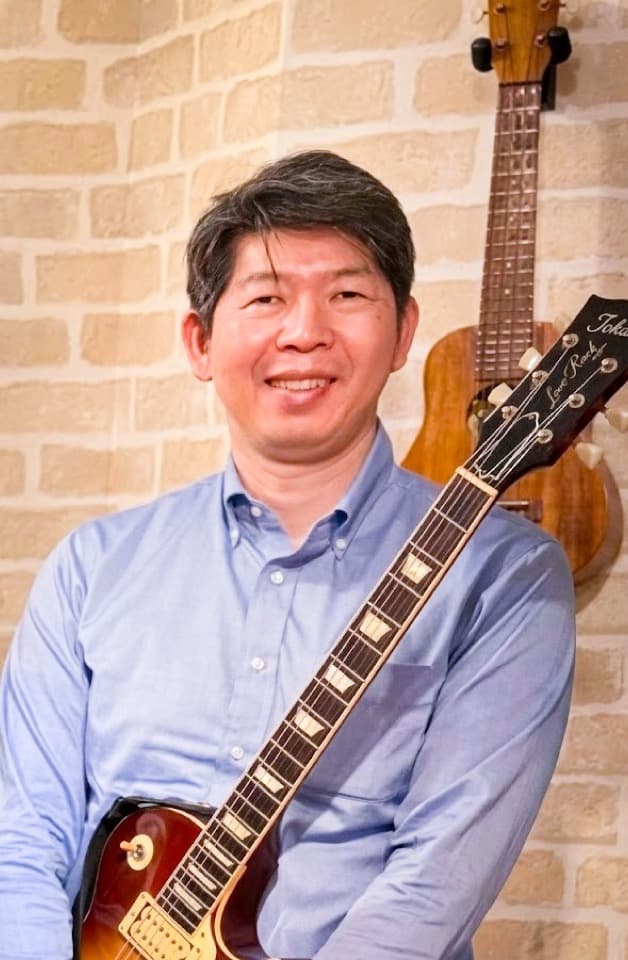
Guitar
“Is this ad-lib? And yet it is already music. Are these two notes the heart of it?” The scales fell from my eyes.
From assistants
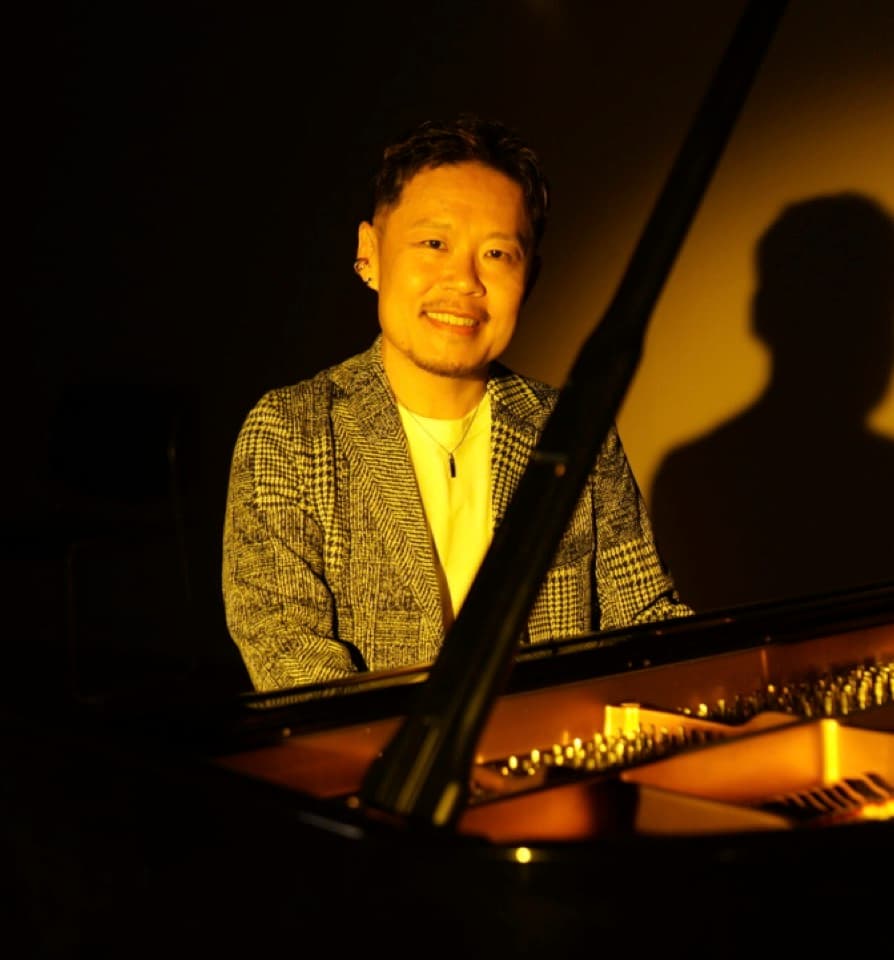
Piano · assistant
We never say “now improvise freely.” We start with fewer notes and actually make sound. People ask, “Is this note really enough?” Then, surprisingly, it becomes music.
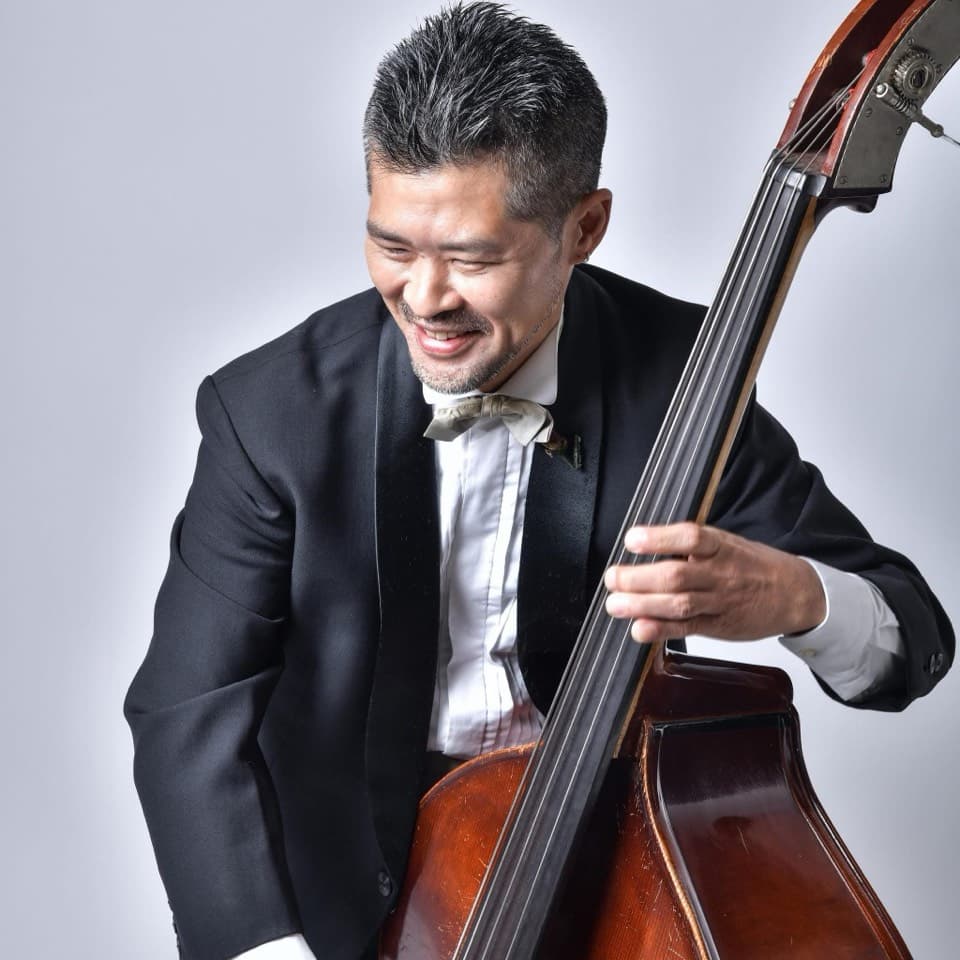
Bass · assistant
What matters is not avoiding mistakes, but receiving the sound that appeared and connecting it to the next. By the end, faces soften and the room says “that was fun.” Music doesn’t have to be lonely.
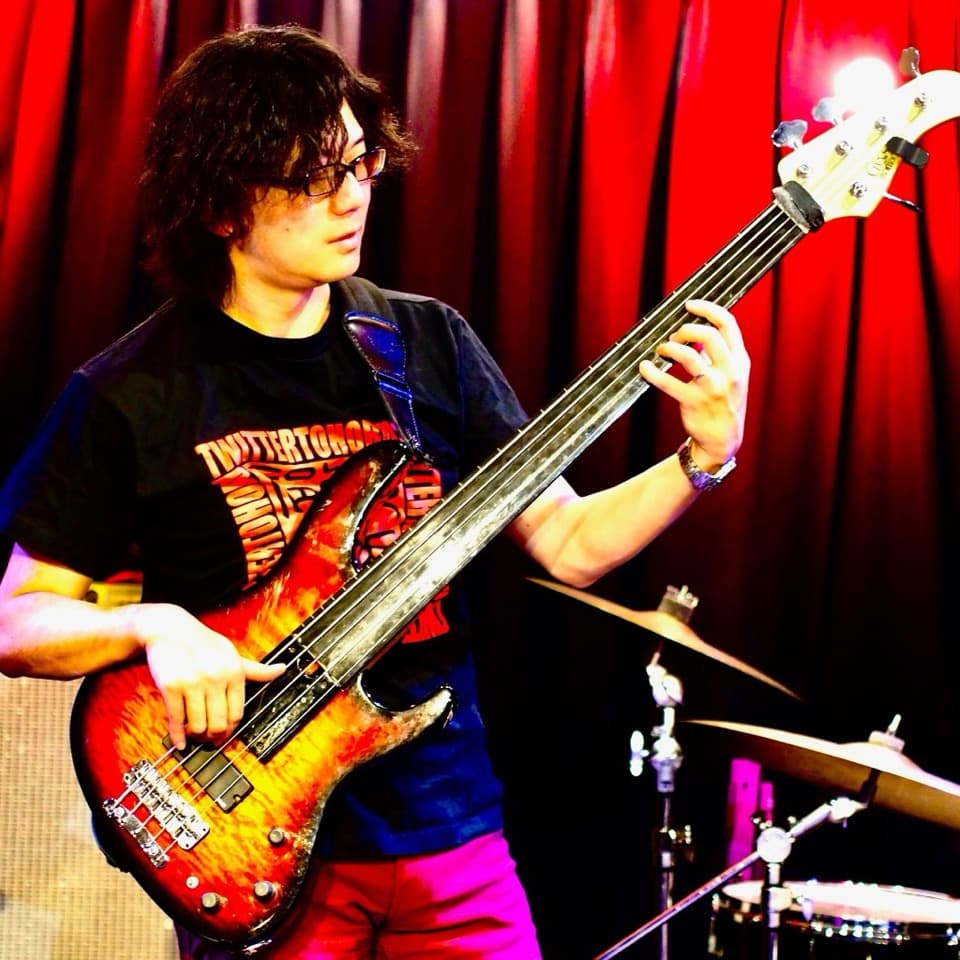
Bass · assistant
The heart of the session is catching the flavor and timing of the previous sound, chewing it as your own, and passing it to the next person. Music is not a one-way display. It is a conversation—a baton.
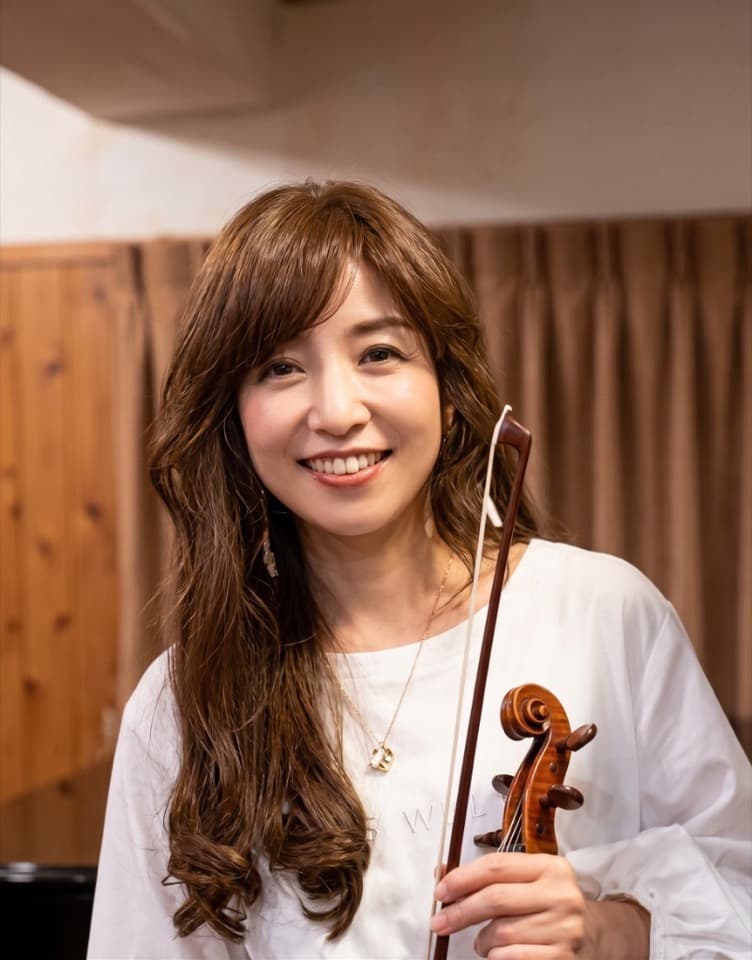
Violin · assistant
Not theory first, then ad-lib. First, play. I think that is one of a kind.
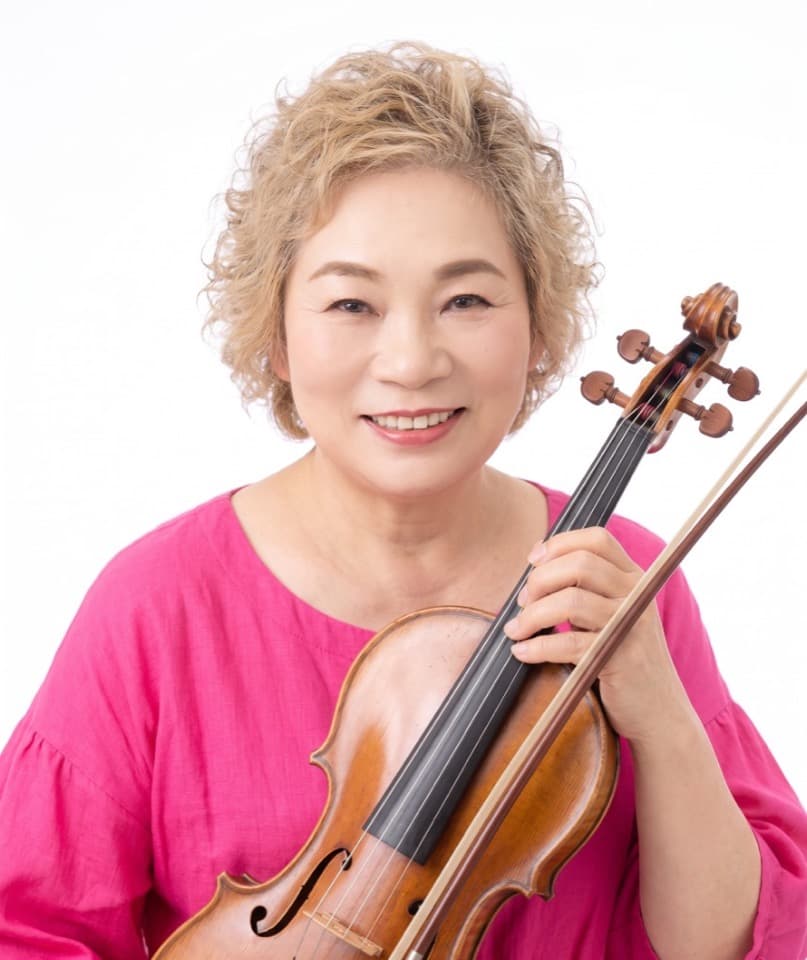
Violin · assistant
Okamoto-san never gets angry. He finds what is good in the player and praises it. That makes me glad. I think everyone should try it.
In the room, it is a tasting.
The body of the thinking is Okamoto Method Online.
The Okamoto Method
Adlib Tasting Session rests on the Okamoto Method—
developed over thirty years by Hirofumi Okamoto.